
Grandma and I get asked about Disney Vacation Club more than just about any other topic around here. We have been DVC Members since 1996 and should know a thing or two. So I figured it was high time ole Grandpa sat down and worked through the whole thing properly, out loud, for anybody else wondering the same.
A fair warning before we start: I’m not a financial advisor, and I’m not here to sell you anything. Grandma and I are just two retirees who’ve done our homework on this one, and we want to walk you through it the way we’d want somebody to walk us through it — plainly, honestly, and without any rush. Let’s dig in.
What in the World Is Disney Vacation Club?
Disney Vacation Club — DVC, if you want to sound like you know what you’re talking about at the resort pool — is Disney’s own version of a timeshare, and it’s been around since 1991, when Disney’s Old Key West Resort became the very first DVC property. Instead of booking one hotel room for one trip, you’re buying into a system. You purchase a real estate interest in a Disney resort, and in exchange you get an annual allowance of “points” you can use, year after year, to book roomy, villa-style accommodations — the kind with a real kitchen and a washer and dryer, which this old grandpa appreciates a great deal more than he used to.
Here’s the part that catches folks off guard: it isn’t forever. Every DVC contract has an expiration date, since Disney technically leases the land its resorts sit on to the Vacation Club. Depending on the resort, that end date runs anywhere from 2042 (Old Key West, the oldest DVC property) out to 2070 (Riviera, one of the newer ones). When that date arrives, the points stop and the property reverts to Disney. So think of DVC less like owning a house forever, and more like a very long, very Disney-flavored lease on a whole lot of future vacations.
How Does DVC Actually Work?

Here’s the plain and simple version:
You buy points tied to one specific home resort — either straight from Disney, or from an existing owner selling their contract (more on that shortly). Each year, on your own personal “Use Year,” you receive your allotment of points. You spend those points like vacation currency, booking stays at your home resort or at any of the other DVC resorts around the system. A Use Year is expressed as a month. So for instance a JUNE use year means you get your points in June and they are good for travel until the following May 31. At which time you get your next annual allotment.
Your home resort gives you first dibs on reservations — you can book 11 months ahead of your stay there. Every other DVC resort opens up starting 7 months before check-in. So you can see, the home resort gets a significant advantage. If you won’t use all your points in a given year, you can usually bank them forward, or borrow a bit from next year’s allotment early if you’re running short.
This part, I’ll admit, is my favorite: it suits a retiree’s schedule just fine. Grandma and I aren’t tied to a school calendar anymore, so we can travel the quieter weeks, use fewer points doing it, and bank or borrow as life happens. It’s a bit like our friend Crush from Finding Nemo — you let the current carry you along instead of fighting it, and you still get where you’re going.
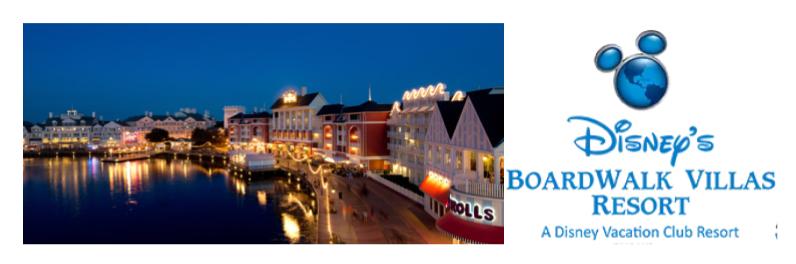
There are currently 17 DVC resorts, spread across Walt Disney World in Florida, Disneyland in California, Aulani in Hawaii, and two beach resorts in Hilton Head, South Carolina, and Vero Beach, Florida. An eighteenth, Disney’s Lakeshore Lodge, is under construction near Fort Wilderness and expected to open in 2027. So there are a lot of resorts to choose from. Each with its own charm and vibe. It can be very confusing about where to buy. I always suggest, buy where you love. Which is just what Grandma and I did back in 1996. We loved “Disney’s Boardwalk Villas”. We bought there and never looked back.
DVC Resorts and Expiration Years
| Name | Location | Expiration Date |
|---|---|---|
| Disney’s Old Key West Resort | Walt Disney World, FL (Disney Springs area) | 2042 (2057 on extended contracts) |
| Disney’s Beach Club Villas | Walt Disney World, FL (Epcot area) | 2042 |
| Disney’s BoardWalk Villas | Walt Disney World, FL (Epcot area) | 2042 |
| Disney’s Boulder Ridge Villas | Walt Disney World, FL (Magic Kingdom area) | 2042 |
| Disney’s Hilton Head Island Resort | Hilton Head Island, SC | 2042 |
| Disney’s Vero Beach Resort | Vero Beach, FL | 2042 |
| Disney’s Saratoga Springs Resort & Spa | Walt Disney World, FL (Disney Springs area) | 2054 |
| Disney’s Animal Kingdom Villas (Jambo House & Kidani Village) | Walt Disney World, FL (Animal Kingdom area) | 2057 |
| Bay Lake Tower at Disney’s Contemporary Resort | Walt Disney World, FL (Magic Kingdom area) | 2060 |
| Disney’s Grand Californian Hotel & Spa | Disneyland Resort, Anaheim, CA | 2060 |
| Aulani, A Disney Resort & Spa | Ko Olina, Oahu, HI | 2062 |
| Disney’s Grand Floridian Resort & Spa (Villas) | Walt Disney World, FL (Magic Kingdom area) | 2064 |
| Disney’s Polynesian Villas & Bungalows | Walt Disney World, FL (Magic Kingdom area) | 2066 |
| Disney’s Copper Creek Villas & Cabins | Walt Disney World, FL (Magic Kingdom area) | 2068 |
| Disney’s Riviera Resort | Walt Disney World, FL (Epcot area) | 2070 |
| The Villas at Disneyland Hotel | Disneyland Resort, Anaheim, CA | 2074 |
| The Cabins at Disney’s Fort Wilderness Resort | Walt Disney World, FL (Magic Kingdom area) | 2075 |
All deeds expire January 31 of the listed year.
Making Sense of Point Charts
Every DVC resort publishes a point chart — think of it as a menu telling you how many points a night will run you. It isn’t one-size-fits-all. The cost depends on which resort you’re at (the fancier and more popular, the more points it takes), what kind of room you book (a studio costs less than a one-bedroom, which costs less than a two-bedroom or a Grand Villa built for the whole family reunion), and when you’re traveling. Just like plane tickets, DVC divides the year into seasons — quieter times cost fewer points, holidays and peak weeks cost plenty more, and weekends generally run higher than weeknights.
One thing worth tucking away: every so often, Disney adjusts these charts, nudging points around between busy and slow seasons. It’s called a “reallocation,” and it means the points cost for your favorite room today might shift some down the road.
If you ever come up short, Disney sells “one-time-use” points directly, running about $22.50 per point as of early 2026. Handy in a pinch, though it’s pricier than the points you already own, so it’s not something to lean on regularly.
Now Let’s Talk About Dues
Here’s where I have to put on my “us pinched consumers” hat for a minute, because this is the part that catches new members off guard. Buying your points is just the beginning. Every year, on top of what you paid to buy in, you owe annual dues — think of them like the HOA fees on a condo. These cover housekeeping, pool upkeep, landscaping, property taxes, insurance, and the folks who keep the resort running.
You owe these dues every year you own your points, whether you visit that year or not. They vary by resort — as of 2026, dues run somewhere between about $7.50 and just under $15 per point, with Walt Disney World resorts averaging around $9.60 per point. Own 200 points at a typical Walt Disney World resort, and you’re looking at somewhere around $1,600 to $1,900 a year in dues alone.
And they don’t hold steady. Dues tend to creep up most years, usually in the low-to-mid single digits percentage-wise, though 2026 saw a bigger jump than most of us are used to. For those of us on a fixed retirement income, that’s worth looking at for a minute — pencil in rising dues over the decades, not just today’s number, before you commit.
One bit of good news: dues are exactly the same whether you bought your points directly from Disney or on the resale market. Nobody pays extra dues just for going the resale route.
Buying Direct vs. Buying Resale
Grandma is not one to pay full price for anything if she doesn’t have to, so this part got her attention right quick.
Buying direct means purchasing brand-new points straight from Disney. Buying resale means purchasing an existing contract from another owner, usually through a licensed timeshare resale broker. The rooms, the points, the booking system — all identical either way. But there are real differences worth knowing:
| Buying Direct | Buying Resale | |
|---|---|---|
| Price per point (2026) | Roughly $205–$248 | Roughly $50–$165 (averaging around $123) |
| “Membership Extras” (annual pass discounts, dining and shopping discounts, member events) | Included | Not included |
| Use points at any DVC resort | Yes, no restrictions | Yes — except Riviera, the Cabins at Fort Wilderness, and the Villas at Disneyland Hotel, where resale points can only be used at that one home resort |
| Financing | Available through Disney (roughly 9%–17.5% APR) | Sometimes available through third-party lenders |
| Extra fees | Typically fewer | A resale admin fee (around $500, added in late 2025) plus standard closing costs |
| Disney’s Right of First Refusal | Not applicable | Disney can step in and buy back the contract before your purchase closes |
Resale savings can run 35% to 60% off the direct price for the same resort. The trade-off, at those newer “restricted” resorts, is that your points won’t travel to other DVC properties. If Riviera, the Fort Wilderness Cabins, or the Disneyland Hotel Villas are your dream home resort and you’re happy staying put, no trouble. If you like mixing it up between resorts, either buy direct at one of those newer spots, or stick to a resale contract at one of the classic, original resorts, which can still be used anywhere in the system.
Grandma’s take: it’s a bit like buying a car. Direct is driving a new one off the lot, extras included. Resale is buying a well-kept car from a trustworthy neighbor — you save a good deal, the engine runs just the same, but you might not get the leather seats.
The Upside: Why Folks Love DVC
- Room to actually spread out. A real kitchen and separate bedrooms make a world of difference, whether it’s just the two of us wanting a quiet home-cooked breakfast, or the whole gang — kids, grandkids, and all — piling in for a reunion.
- Real savings over time, especially if you’re already the type to book Disney’s pricier deluxe resorts.
- Priority booking at your favorite resort, a full 11 months out — no scrambling.
- A tradition to pass down. A DVC contract is a real asset you can leave to your children and grandchildren.
- Flexibility when life changes your plans. If a year comes along where travel isn’t in the cards, you can rent your points out to another family and offset your dues.
- Extra perks for direct owners, like discounted annual passes and member-only events.
The Downside: What to Watch Out For
- A big upfront cost — even on the resale market, we’re talking many thousands of dollars.
- Dues you owe every year, whether you visit or not, climbing a bit more each year.
- Points mostly good for Disney only, aside from a limited swap option through a program called Interval International.
- Contracts expire. Worth asking yourselves honestly how many years of vacationing you’re planning for, and whether that lines up with the contract you’re considering — though plenty of folks buy it precisely as a gift to the next generation, expiration and all.
- Resale trade-offs, including lost perks and, at the newer resorts, being tied to one property.
- Financing through Disney can be pricey if you’re not paying cash.
- Popular resorts and peak weeks still book up fast, even with a priority window.
- It doesn’t pay off for everybody. Once-every-few-years visitors, or families who like to roam to new places each year, may not see the value.
The Long View: Is DVC a Good Long-Term Investment?
Here’s the heart of the long-term case: historically, Disney has raised its regular room rates faster than it’s raised DVC dues. The longer you own, and the more you use your points, the wider that gap tends to grow between what you pay as an owner and what a walk-up guest pays at the front desk. Lock in your vacation home today, at today’s dues, and you may be paying a fraction of the going rate for that same villa fifteen or twenty years down the road.
There’s a benefit no spreadsheet quite captures, too, and it’s the one that matters most to Grandma and me: DVC gives a family a place to return to, year after year, generation after generation. It’s the spot where the grandkids learn to swim, where the whole clan gathers without anybody arguing over where to go this year, where the memories just keep piling up in the same lobby, trip after trip. That part isn’t just for us old folks — that’s for everybody in the family, from the littlest ones on up.
Fair caveat: resale values aren’t guaranteed. They depend on the resort, how close the contract is to expiring, and the market when you go to sell. Treat any long-term savings as a reasonable expectation, not a promise carved in stone.
So — Is DVC Right for Your Family?
There’s no single right answer, and I’d be doing you a disservice pretending otherwise. Generally speaking, it tends to make good sense if:
- You (or your family) already stay in Disney’s deluxe resorts fairly often
- You expect to keep visiting every year or two for the next decade or more
- You can afford the upfront cost comfortably, without financing it at a steep rate
- You like the idea of one vacation spot the whole family — young and old alike — returns to, year after year
If your family loves variety, only gets to Disney once in a blue moon, or the purchase would stretch the budget thin, you might do just as well renting DVC points from an existing owner for an occasional villa stay, no long-term commitment required.
Whatever you decide, take your time, talk it over with the whole family, and don’t let anybody rush you into signing anything. Everything in this article is accurate as of this writing, but Disney has a way of changing numbers on us, so double-check current pricing and dues on DVC’s official site, or with a licensed resale broker, before you make your move.
That’s all for today, gentle readers. Grandma sends her love, and I’ll see you at the parks — just at a nice, relaxed pace.

— Grandpa
 Disney Grandpa
Leave a comment