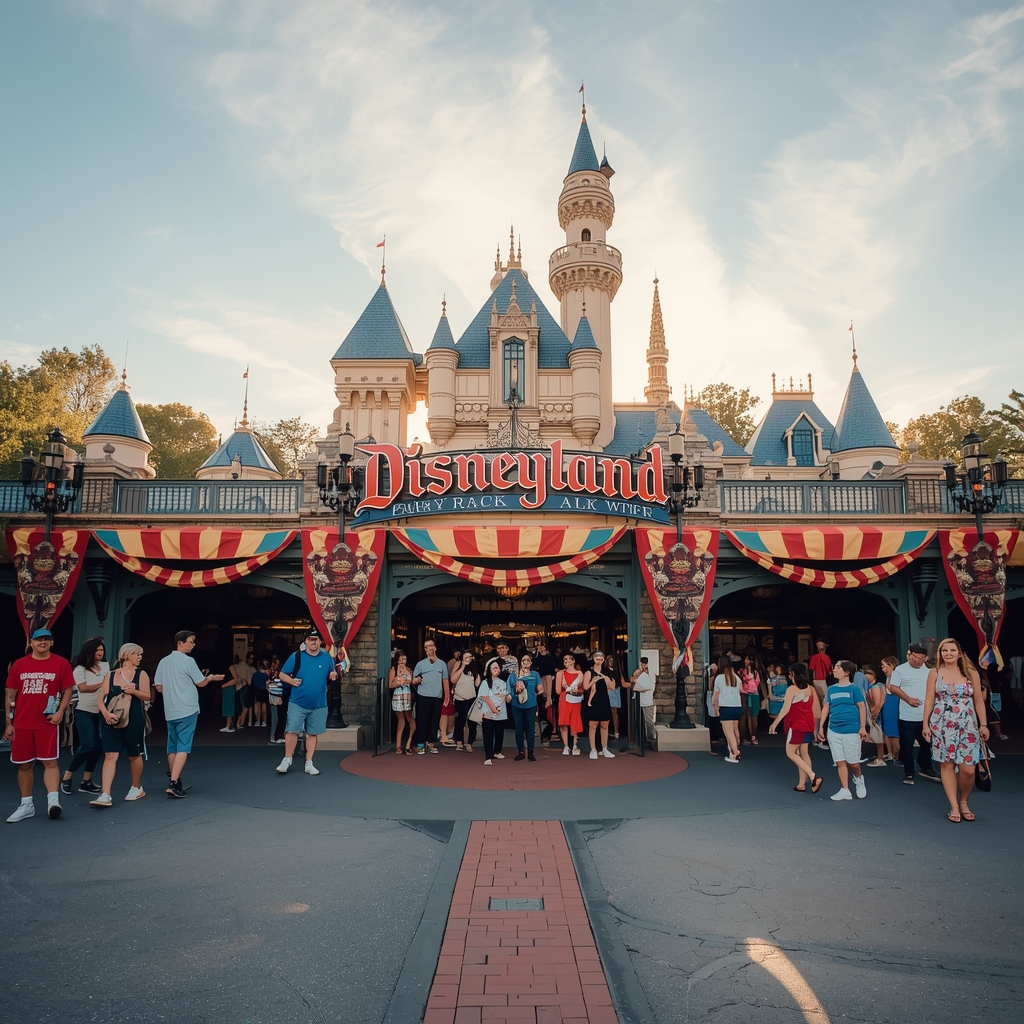
If you’ve been staying at Disneyland Resort hotels for years, you probably felt a little piece of your Disney heart break on January 5, 2026. That was the day Early Entry officially disappeared, taking with it those magical 30 minutes of peaceful park exploration before the masses arrived.
I get it. I really do. For families who built entire vacation strategies around that early morning advantage, this change stings. But here’s the thing – your Disneyland trip doesn’t have to suffer. Whether you’re a rope drop warrior ready to adapt your tactics or you’d rather sleep in and take a more relaxed approach, there are strategies to make your visit just as magical (and maybe even less stressful) without Early Entry.
Let’s talk about how to navigate this new reality.
Understanding What Changed (and Why It Hurts)
As of January 5, 2026, Disneyland eliminated the Early Entry perk for resort hotel guests. Instead, guests receive one Lightning Lane Multi Pass entry per stay – not per day, per entire stay.
Here’s what makes this particularly painful: If you’re staying four nights at a Disney resort hotel, it results in a major trade-off. You’ve given up the potential to experience multiple attractions on each Early Entry day. I have been able to knock out all of Fantasy land in one early morning. Or do Radiator Springs Racers, Mission Breakout and Spiderman during California Adventure early entry. In exchange, you receive only one Lightning Lane multipass period. That means you cannot ride Radiator Springs Racers or Rise of the Resistance. When you’re paying upwards of $600-$1,000 per night for a Disney hotel room, that feels like a massive downgrade. Because it is.
The evolution tells the story: Early Entry started as a full hour before the pandemic, got reduced to 30 minutes in 2021, was limited to alternating parks in 2024, and now it’s gone entirely. Disney’s official explanation was that Early Entry “was not widely used”, though many regular visitors would beg to differ.
The Rope Drop Playbook: Adapting Without Early Entry
If you’re the type who thrives on strategy and doesn’t mind early wake-up calls, rope drop is still your best friend. It just requires a slightly different approach now.
Master the Official Rope Drop
Without Early Entry giving you a 30-minute cushion, timing becomes everything. Here’s your new game plan:
Arrive 45-60 minutes before official park opening. Yes, that’s earlier than you might have arrived for Early Entry, but now you’re competing with everyone, not just fellow hotel guests. Security typically opens around 7:00 AM, and you want to be through those lines and positioned at the park gates before the crowds build. However, security still opens at 6:45 for hotel guests, so there is still that.
Know your target attractions cold. Without that early entry buffer, you don’t have time to wander and decide. Before rope drop, you should know exactly which attractions you’re hitting and in what order. For Disneyland Park, the classics are still Space Mountain, Peter Pan’s Flight, and Matterhorn Bobsleds. For Disney California Adventure, head straight for Radiator Springs Racers or Guardians of the Galaxy.
Position yourself strategically at the rope. Not all rope drop positions are created equal. If you’re heading to Fantasyland, position yourself on the right side of the hub near Matterhorn. For Tomorrowland, stay left near the Astro Orbitor pathway. Know your route and claim your spot.
Have a realistic first-hour plan. In that crucial first hour, you can typically hit 2-3 major attractions if you move efficiently. Don’t get greedy and try to do everything – focus on your must-dos and accept that you’ll need other strategies for the rest of your day.
The Mobile Order Breakfast Strategy

Here’s a clever rope drop hack that actually works better without Early Entry: the mobile order breakfast pivot.
Arrive at rope drop and immediately hit your top one or two attractions. While you’re in line for that second ride, place a mobile order for breakfast at a quick-service location near your next target attraction. By the time you finish your second ride (usually around 9:30-10:00 AM), your breakfast is ready, you can eat in relative comfort, and the rope drop crowd has dispersed enough that you can hit a few more attractions with more reasonable waits.
This strategy gives you the best of both worlds: you capitalize on low wait times at rope drop, then sidestep the 10:00 AM wait time surge while everyone else is standing in 45-minute lines.
Single Rider Lines Are Your Secret Weapon
Without Early Entry to give you an advantage, maximize every other advantage available. Single rider lines at Matterhorn Bobsleds, Millennium Falcon, and other attractions can save you enormous amounts of time throughout the day. If your group is willing to split up occasionally, you can essentially create your own “early entry.” You achieve this by bypassing standard queues all day long.
The Anti-Rope Drop Approach: Sleeping In and Staying Sane
Not everyone wants to wake up at 6:00 AM on vacation. If you’d rather sleep in and take a more relaxed approach to Disneyland, you’re actually in a better position now than when Early Entry existed.
Embrace the Mid-Morning Arrival
Arrive at the parks around 10:00-10:30 AM and immediately use your complimentary Lightning Lane pass on a high-demand attraction. Then, focus your morning on shows, character meet-and-greets, shopping, and exploring areas that don’t have major attractions.
The rope drop crowd will have hit the big rides early. They will have grabbed lunch. Many will start to fade or leave the parks by mid-afternoon. That’s when you strike. The 2:00-4:00 PM window often sees a natural lull in wait times as day guests leave and evening guests haven’t fully arrived yet.
The Evening Warrior Strategy
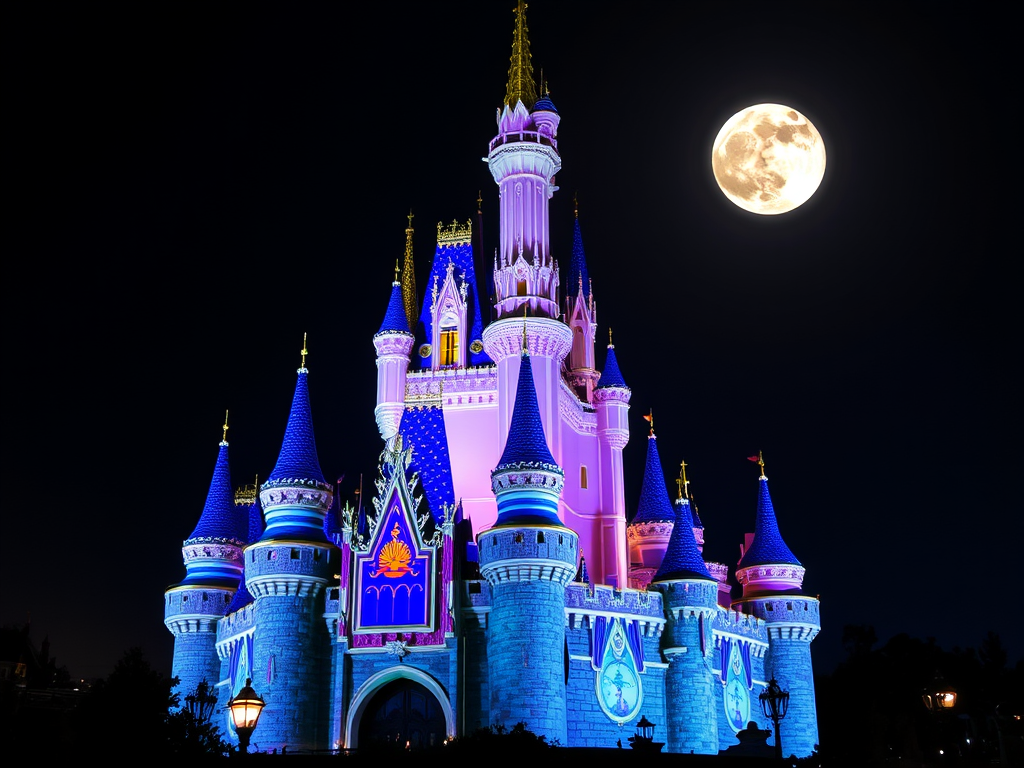
Some of the best Disneyland experiences happen in the evening, and without the pressure of Early Entry, you can structure your entire day around this reality.
Sleep in, have a leisurely breakfast at your hotel, maybe spend the morning at the pool. Enter the parks around 3:00-4:00 PM refreshed and ready to go while families with small children are hitting their meltdown phase.
Use your Lightning Lane pass on a major evening attraction, grab dinner via mobile order, watch the sunset over Sleeping Beauty Castle, and stay until park close. Many attractions have significantly shorter waits in the final hour of operation because families with young kids have already left.
Plus, there’s something genuinely magical about walking down Main Street USA at night with lower crowds and all the lights twinkling. You’re experiencing Disneyland at its most atmospheric, and you didn’t have to wake up at dawn to do it.
The Park Hopper Late Arrival Method
If you have Park Hopper tickets, you can optimize around crowd patterns throughout the day. Start at whichever park is less crowded (check the Disneyland app for posted wait times), use your Lightning Lane pass there, then hop to the other park around 3:00-4:00 PM when crowds often shift.
Without Early Entry anchoring you to one park at opening, you have more flexibility to be strategic about where you spend your time throughout the day.
Maximizing Your Lightning Lane Benefit
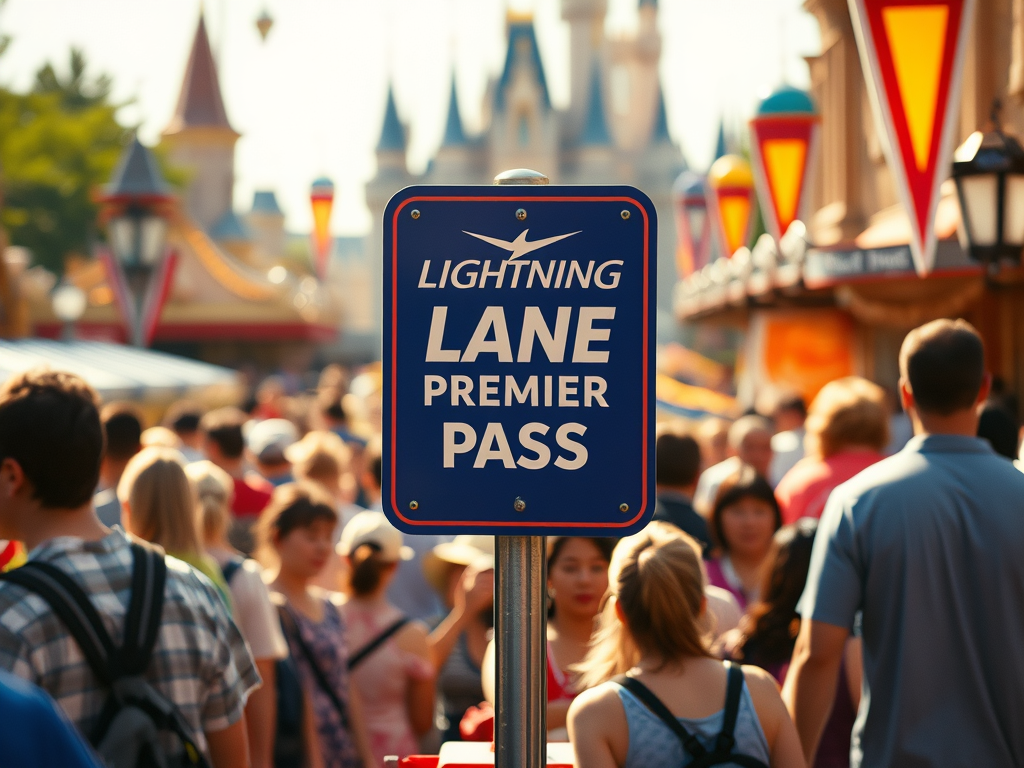
Let’s talk about that single Lightning Lane multipass you’re getting instead of Early Entry. It’s not nothing, but you need to use it wisely.
Save it for the highest-value attraction. Don’t waste it on something like Autopia that rarely has long waits. Save it for Peter Pan’s Flight, Space Mountain, Radiator Springs Racers, or another attraction that consistently posts 60+ minute waits.
Use it during peak times. The best time to redeem your Lightning Lane pass is typically between 11:00 AM and 2:00 PM when wait times are at their highest. Using it first thing in the morning wastes its value since most attractions still have reasonable waits immediately after rope drop.
Link it to your MyDisney account early. The Lightning Lane benefit becomes available upon check-in or shortly after 7:00 AM on your arrival day if you complete online check-in. Make sure all members of your party have their hotel reservations linked in the app.
Consider strategic pairings. If you’re traveling with another family also staying on-site, coordinate your Lightning Lane choices so you’re not duplicating efforts. Maybe you take Space Mountain while they take Big Thunder Mountain, then you can share strategy tips.
Is Staying On-Site Still Worth It?
This is the million-dollar question (or at least the $3,000-for-four-nights question).
The case for staying on-site has weakened. Let’s be honest about that. Without Early Entry, the main remaining advantages are proximity to the parks, theming and immersion, hotel pools and amenities, and the ability to return to your room midday for a break.
Good Neighbor hotels (or nearby off-site hotels) can often save you $200-400 per night while being just a 5-10 minute walk from the parks. For many families, especially those on tight budgets, that’s a no-brainer decision now.
But on-site still has value for certain situations. If you’re traveling with very young children who need midday naps, the ability to walk back to your room in five minutes instead of dealing with shuttles or parking is genuinely valuable. If you’re celebrating a special occasion, consider staying at the Grand Californian or Disneyland Hotel. They offer the full immersive Disney experience. An off-site hotel simply can’t match this.
The question isn’t whether on-site hotels are “worth it” in some absolute sense – it’s whether the remaining perks justify the premium price for your specific family and vacation style. Or like us, we are DVC members and always stay on site with our membership.
Making Peace with the Change
Look, I’m not going to sugarcoat this: losing Early Entry feels like a downgrade, because it is one. Disney removed a valuable benefit and replaced it with something significantly less generous. That’s frustrating, especially when hotel prices haven’t decreased to reflect the reduced perks.
Here’s what I’ve learned from adapting to various Disney changes over the years. You can either spend your vacation mourning what used to be. Or, you can adapt your strategy and still have an amazing time. This is where our Crushing It strategy can really come to play. Be flexible, and adapt to conditions. Rope Drop or not. Our next trip, we are going to try not Rope Dropping and see how it unfolds.
The parks are still magical. The attractions are still world-class. Your family memories won’t be diminished because you didn’t get a 30-minute head start. What matters is being strategic, managing expectations, and finding the approach that works for your family.
Maybe you become a rope drop master who can efficiently conquer the parks without Early Entry. Maybe you embrace the late-arrival lifestyle and discover that evening Disneyland is actually your favorite version. Maybe you redirect that extra hotel money toward better meals or a longer vacation.
The Disney magic isn’t gone – it’s just evolving. And families who adapt their strategies rather than clinging to what used to be will be the ones who still create those unforgettable moments.
So whether you’re setting your alarm for 6:00 AM or sleeping until 9:00, just remember: there’s no wrong way to do Disneyland, as long as you’re doing it together.
Are you changing any of your plans?
How do you feel about the change?
Any successful strategies?
Let me know in the comments.
Until Next Time

What strategies are you planning to use now that Early Entry is gone? Are you team rope drop or team sleep in? Share your thoughts in the comments below!
 Disney Grandpa
Leave a comment